
提示词示例
FLUX 3 Klein 提示词
这里有 24 条 FLUX 3 Klein 提示词,分成六类,每条都配一张本站按同一提示词在 1K 档生成的真实出图。可以复制原样使用,也可以参考每条下面的说明自己写。提示词是喂给模型的英文原文,四条编辑类还附上了各自的参考图。
这个输入框打开的是本站唯一的模型 FLUX 3 Klein。点下面三个 chip 之一,可以把本页的一条提示词填进输入框,也可以自己输入。
怎么写 FLUX 3 Klein 提示词
这个模型是用完整场景描述训练的,Black Forest Labs 也提醒过:过短的提示词只会得到泛泛的结果——FLUX 3 Klein 之所以自带提示词扩写器,正是这个原因。所以不要只写一个名词,把整个场景写出来。下面六条习惯是本页所有示例的共同点。
先说清画面里有什么
写清主体、材质和状态,再补上它周围的两三样东西:「一双白色皮革运动鞋,鞋带系好」比单写「运动鞋」有用得多。
描述构图
交代镜头离多近、用什么焦段、从哪个角度拍。50mm 正面产品图、85mm 人像、竖线平直的广角建筑,会把同一个主体推向三个完全不同的方向。
描述光线
光的方向、质感和时间决定大半氛围:左侧柔和的晨间窗光、从右侧斜射进来的低角度暖阳,或者几乎没有阴影的阴天平光。
要出现在画面里的字都放进引号
主标题、书名、日期和标签一律放进引号,并且尽量短。按你要印出来的样子逐字写清,出图后再逐字核对,然后发布。
先定画幅,再按画幅写
这里提供从 1:1 到 21:9 共十五种画幅。按选定的画幅来写,并说明留白处要放什么:「上三分之一是空的奶油色天空」。
编辑类要指明参考图
最多附三张图,在提示词里用 <ref_image_1> 到 <ref_image_3> 指代它们。描述你想要的最终画面,最后再补一句哪些内容不能变。
24 条 FLUX 3 Klein 提示词与它们的出图
六类提示词,每条一张 1K 出图,全部由本站按旁边这段提示词生成。可以复制提示词,也可以按它原本的画幅直接在生成器里打开。四条编辑类需要你自己提供图片:它们各自用的参考图就展示在结果图旁边。
产品摄影
单件物品的棚拍与外景。写清物品摆在什么上面、光从哪来,以及你要柔和阴影还是干净背景。
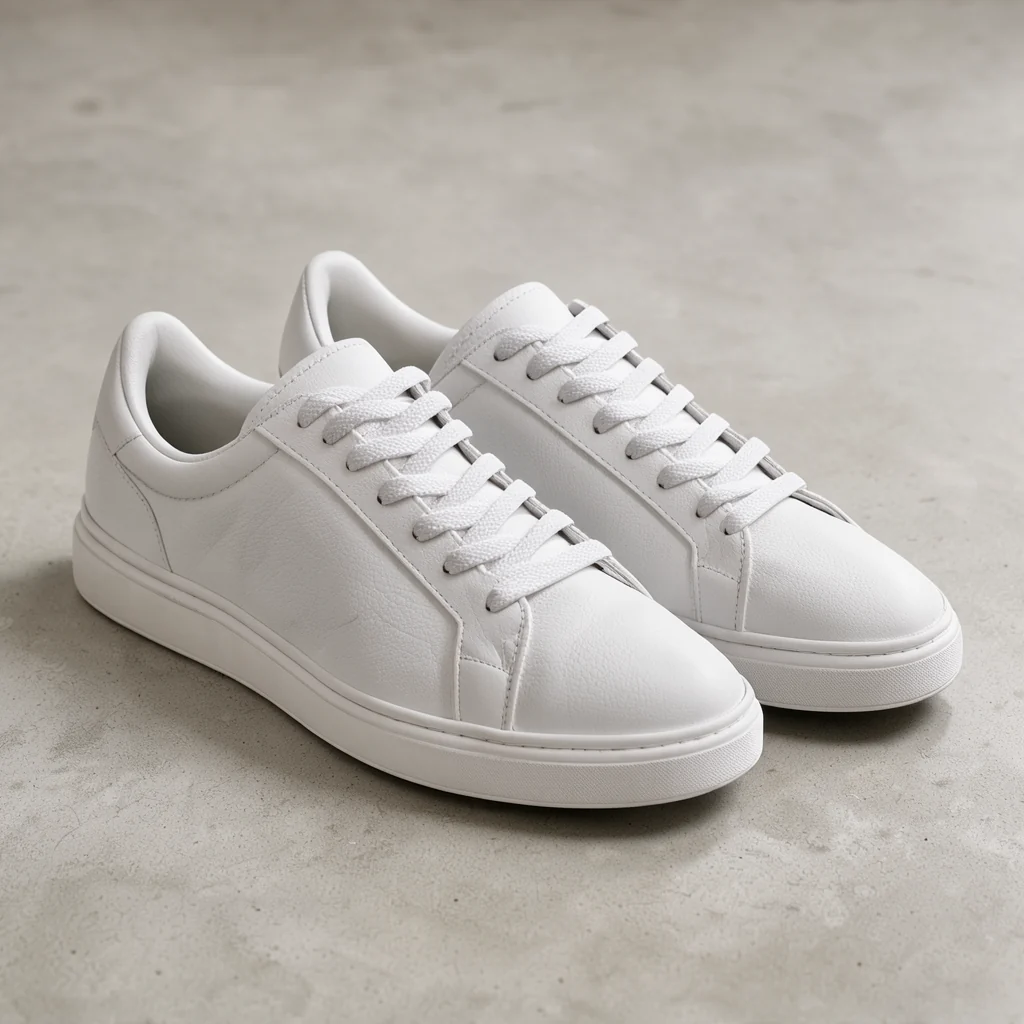
白色皮革运动鞋
为什么这样写
一件物品、一个底面、一束光:最简的产品图写法。
提示词
Studio product photograph of a pair of white leather sneakers on a pale grey concrete surface, soft light from the upper left, laces neatly tied, a light shadow beneath, clean minimal background, 50mm lens, visible leather grain.
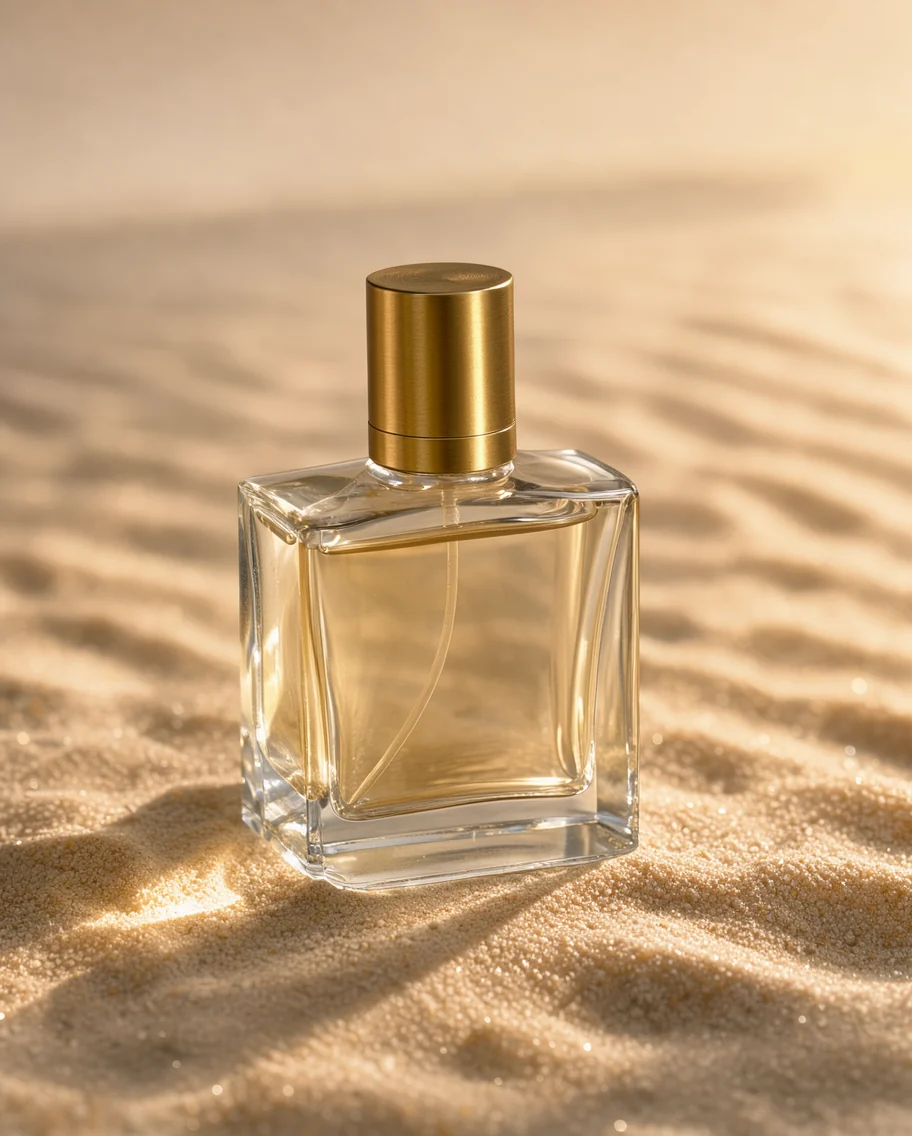
沙面上的香水瓶
为什么这样写
侧面低角度的阳光,玻璃才显得贵。
提示词
Commercial photograph of a clear glass perfume bottle with a brushed brass cap on a rippled sand surface, low warm sunlight raking from the right, long soft shadow, pale beige background, macro detail on the glass edge.
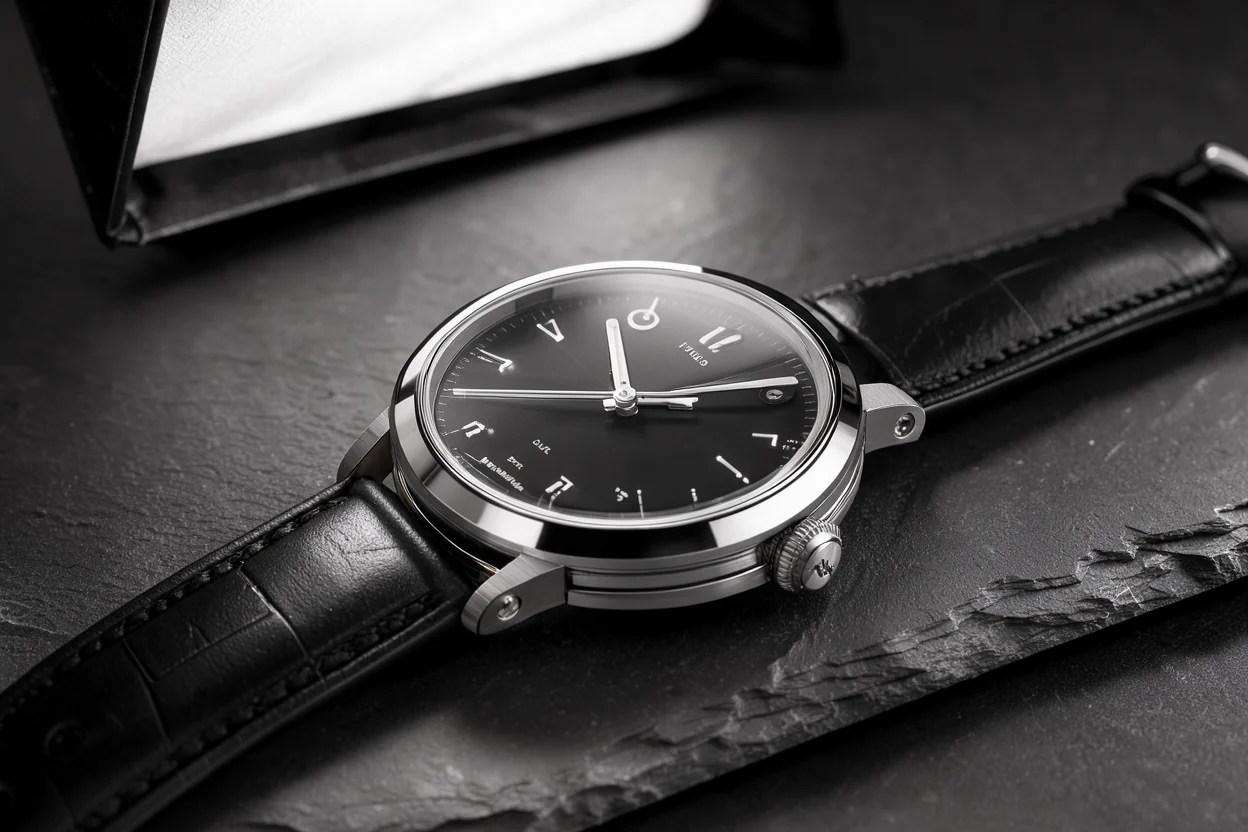
深色石板上的手表
为什么这样写
上方单灯、深阴影,再加一句微距保证表壳清晰。
提示词
Product photograph of a stainless-steel wristwatch with a black leather strap lying on dark slate, a single softbox light from above, crisp reflections on the case, deep shadows, luxury catalogue styling, 100mm macro lens.
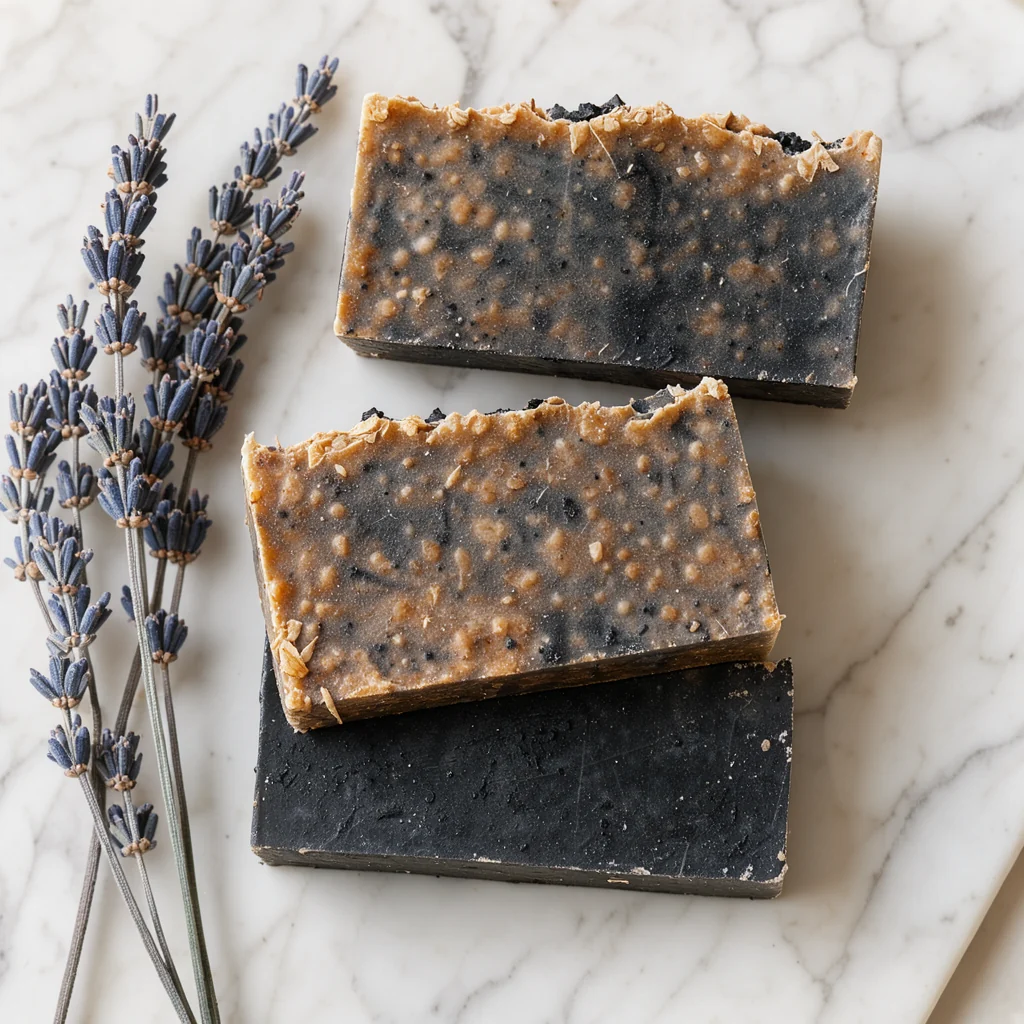
叠放的手工皂
为什么这样写
俯拍适合扁平物件,写清两种质感就不会千篇一律。
提示词
Top-down photograph of three stacked bars of handmade soap on a white marble slab, oatmeal and charcoal textures, a sprig of dried lavender beside them, bright even daylight, packaging-free product shot.
海报与文字
印刷海报、封面、横幅和菜单板。文字放进引号并尽量短,发布前逐行核对小字。
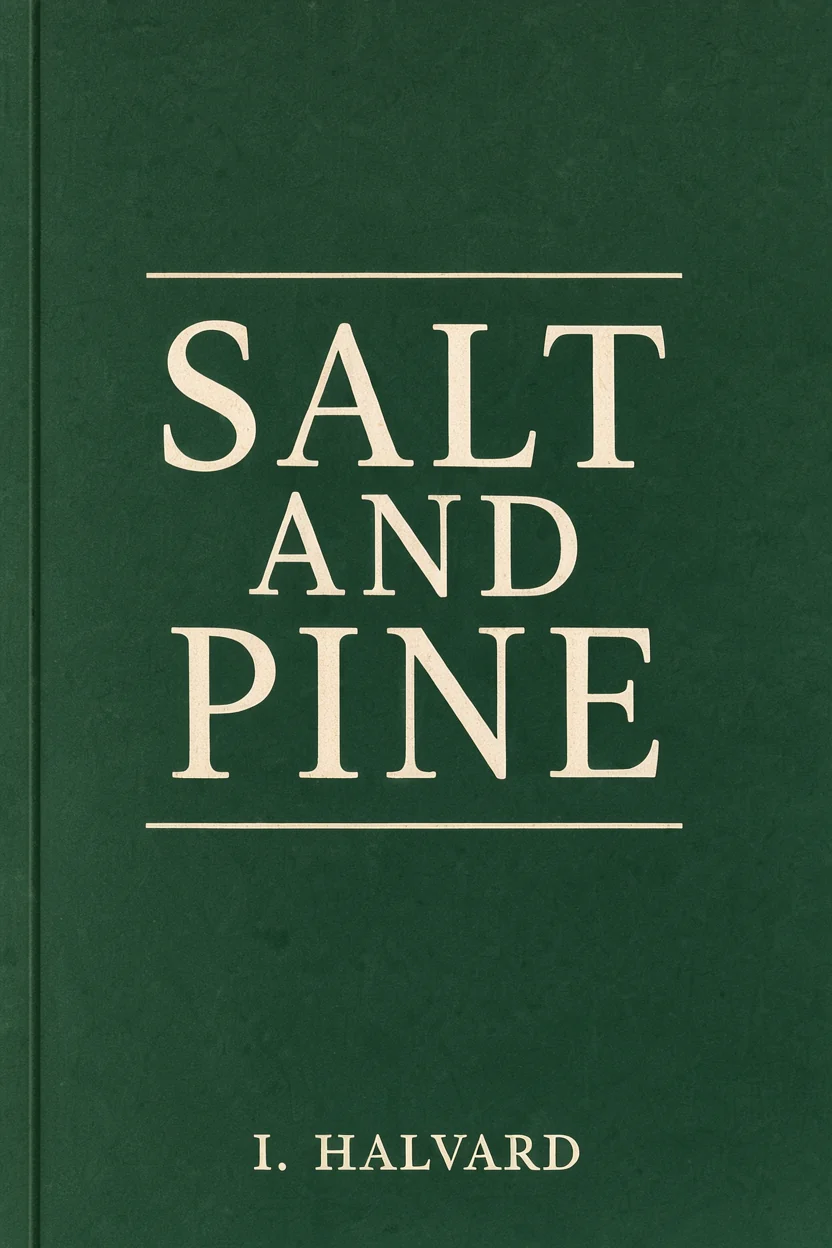
书籍封面
为什么这样写
一次写清整张封面,再禁止多余元素。
提示词
Minimal book cover with the title "SALT AND PINE" in a tall serif typeface centred on a deep forest-green field, a thin cream rule above and below the title, the author name "I. HALVARD" in small caps at the bottom, flat printed look, no other elements.
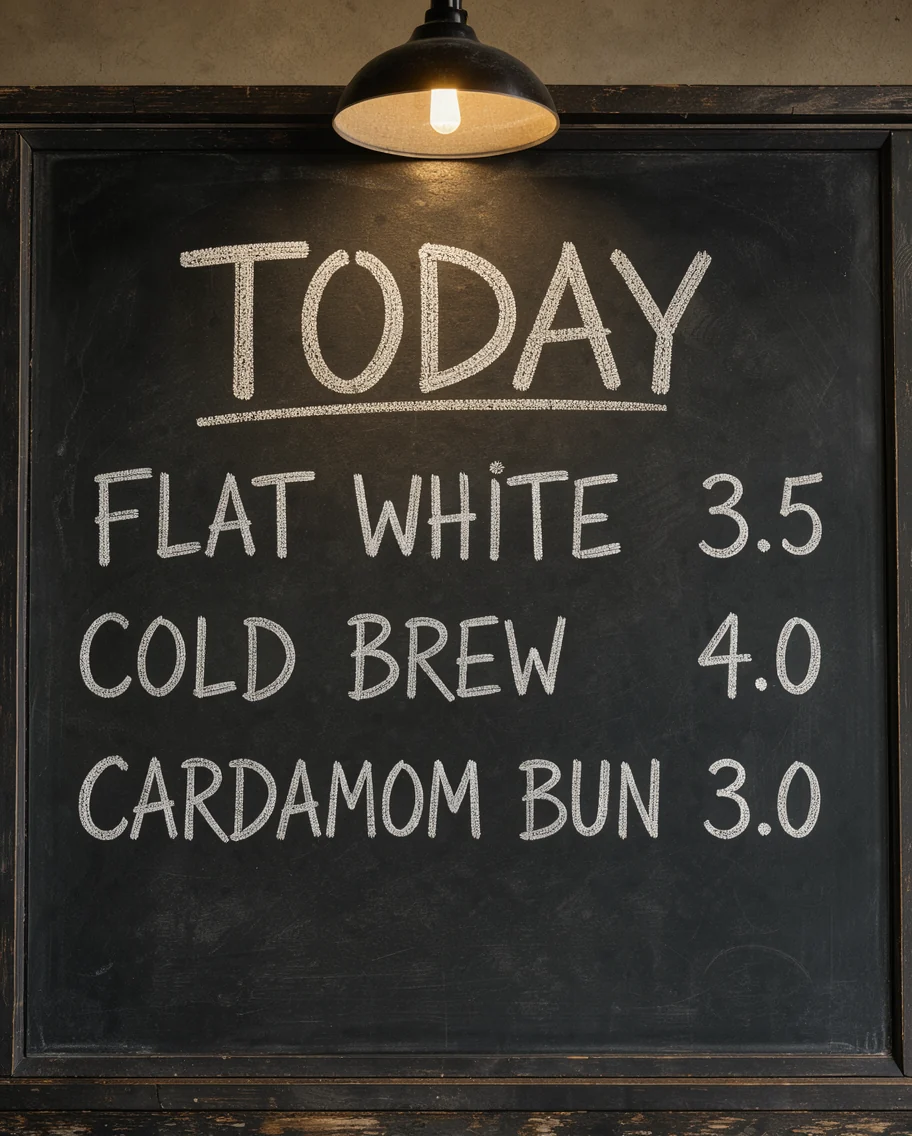
咖啡店菜单板
为什么这样写
引号短句、正面视角、一盏顶光,文字画面就够了。
提示词
Café menu board photographed straight on, dark chalkboard with the heading "TODAY" in white chalk capitals, a short list below reading "FLAT WHITE 3.5", "COLD BREW 4.0", "CARDAMOM BUN 3.0", hand-lettered chalk look, warm pendant light from above.
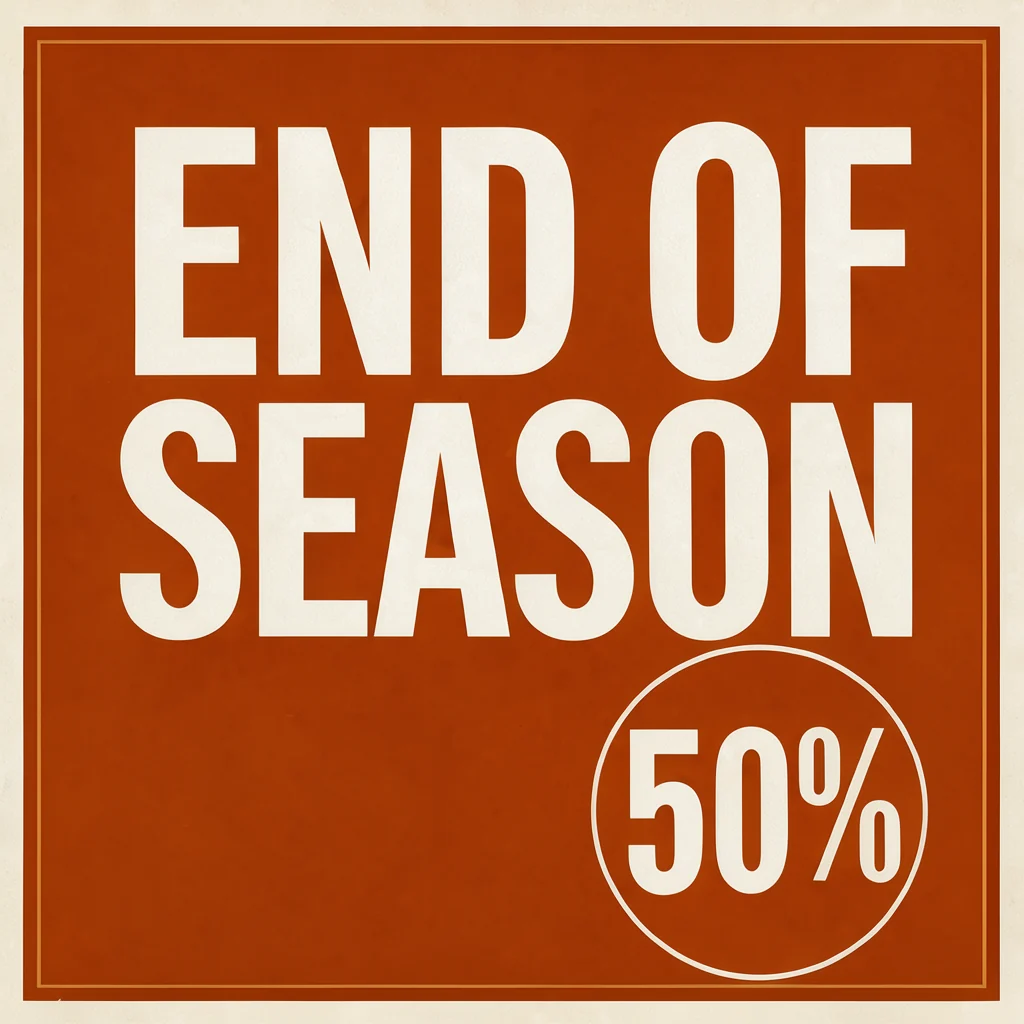
促销横幅
为什么这样写
只要写清文案、底色和数字位置。
提示词
Retail sale banner, flat graphic design, the words "END OF SEASON" in bold condensed white capitals across a deep rust-orange field, a thin cream border, the figure "50%" in a large circle at the lower right, no photography, print-ready poster.
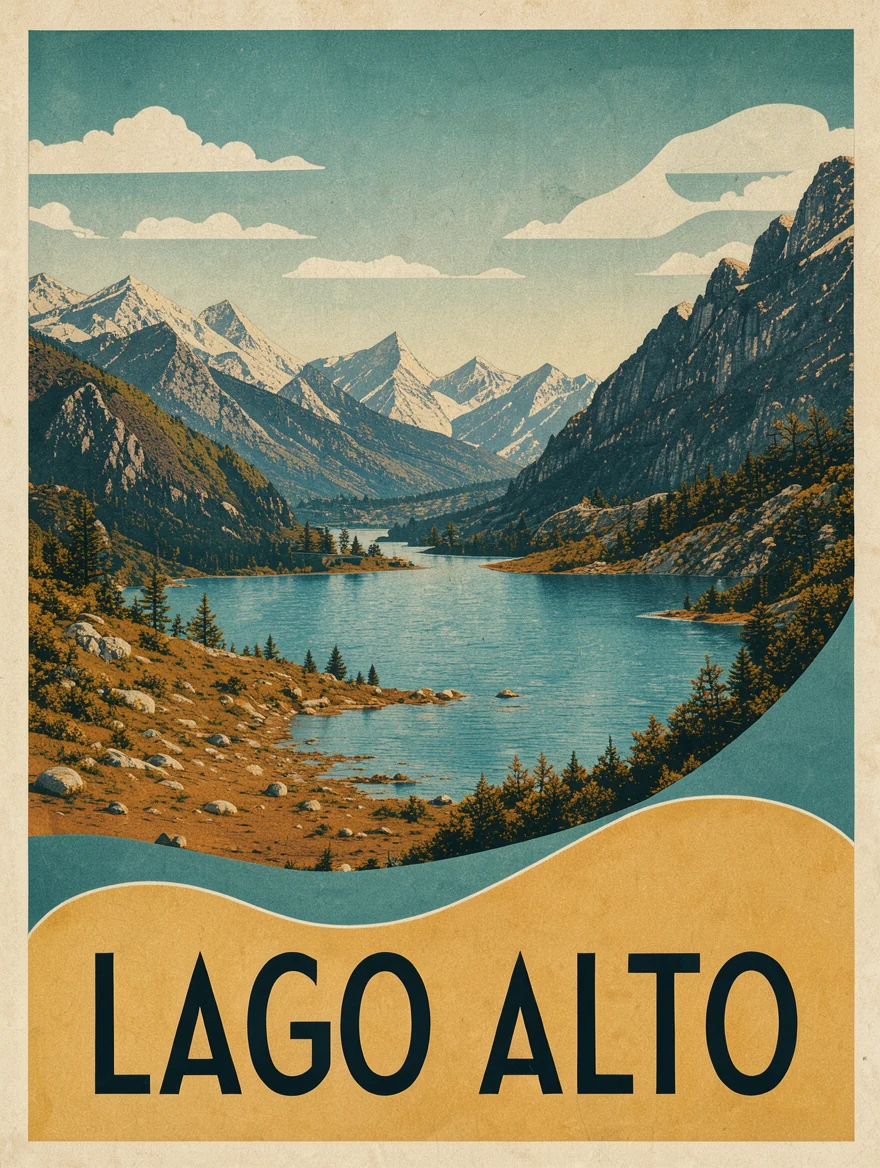
旅行海报
为什么这样写
丝网印风格加一条奶油色带,字就清晰。
提示词
Vintage travel poster of a mountain lake, flat screen-print style, the destination name "LAGO ALTO" in a bold art-deco letterform in a cream band at the bottom, layered teal and ochre shapes, subtle paper texture.
人像
杂志人像与抓拍。写清画面里是谁、穿什么、站在哪里,光从哪一侧来。
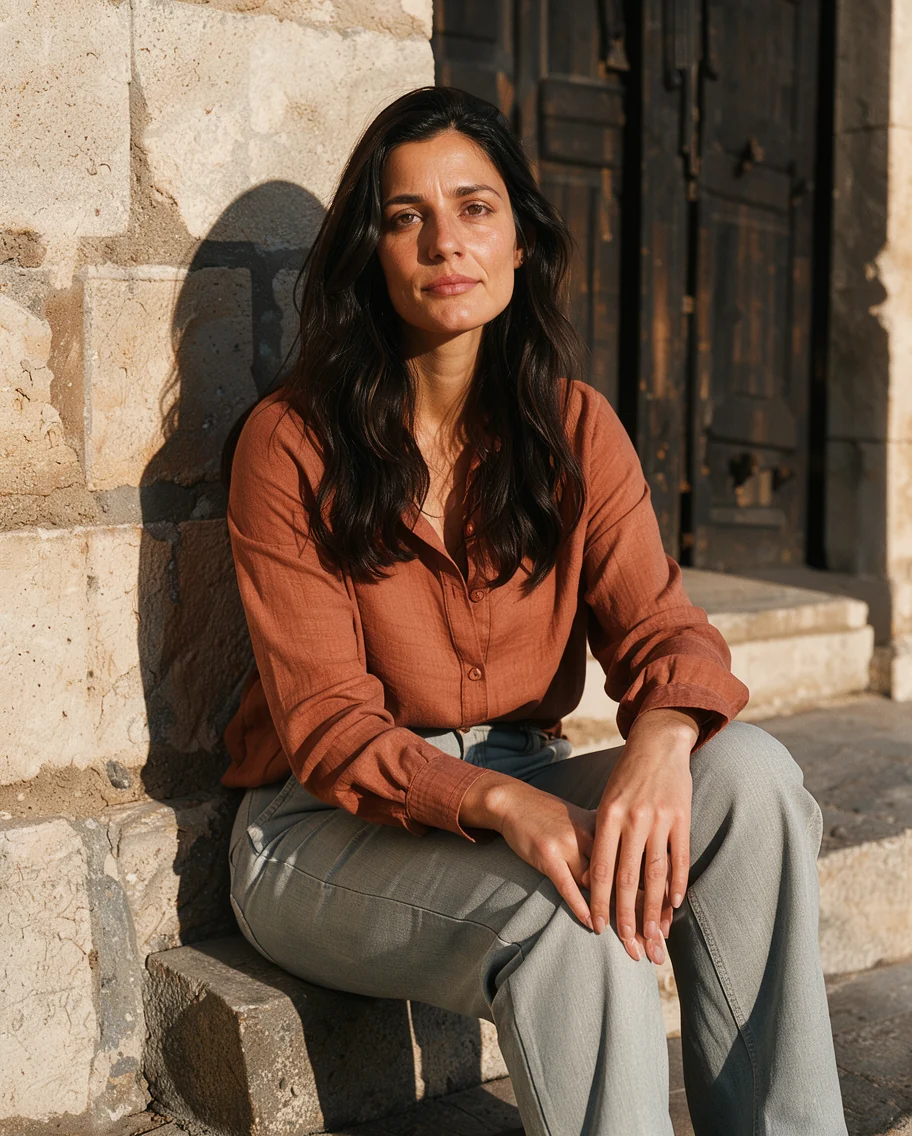
亚麻衬衫人像
为什么这样写
硬光和墙上深阴影,柔光给不了这种味道。
提示词
Editorial portrait of a woman in her thirties with long dark hair and a rust-coloured linen shirt, sitting on a stone step in southern Italy, hard afternoon sun from the right, deep shadow on the wall behind her, 85mm lens, Kodak Portra film colour.
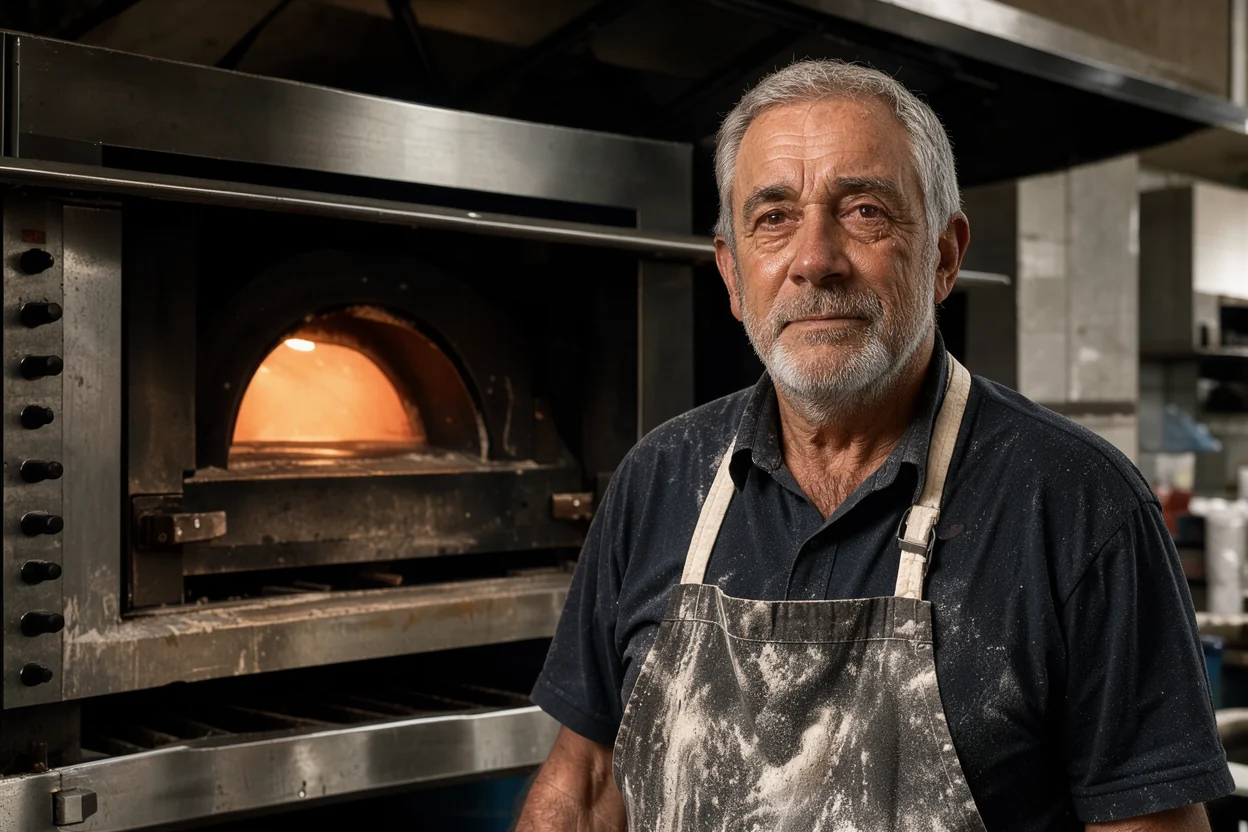
炉边的面包师
为什么这样写
把工作现场留在画面里,炉光既是光源也是故事。
提示词
Environmental portrait of a baker in his fifties with grey stubble and a flour-dusted apron, standing in front of a steel oven, warm oven light on his face, dark kitchen behind, medium format look, shallow depth of field.
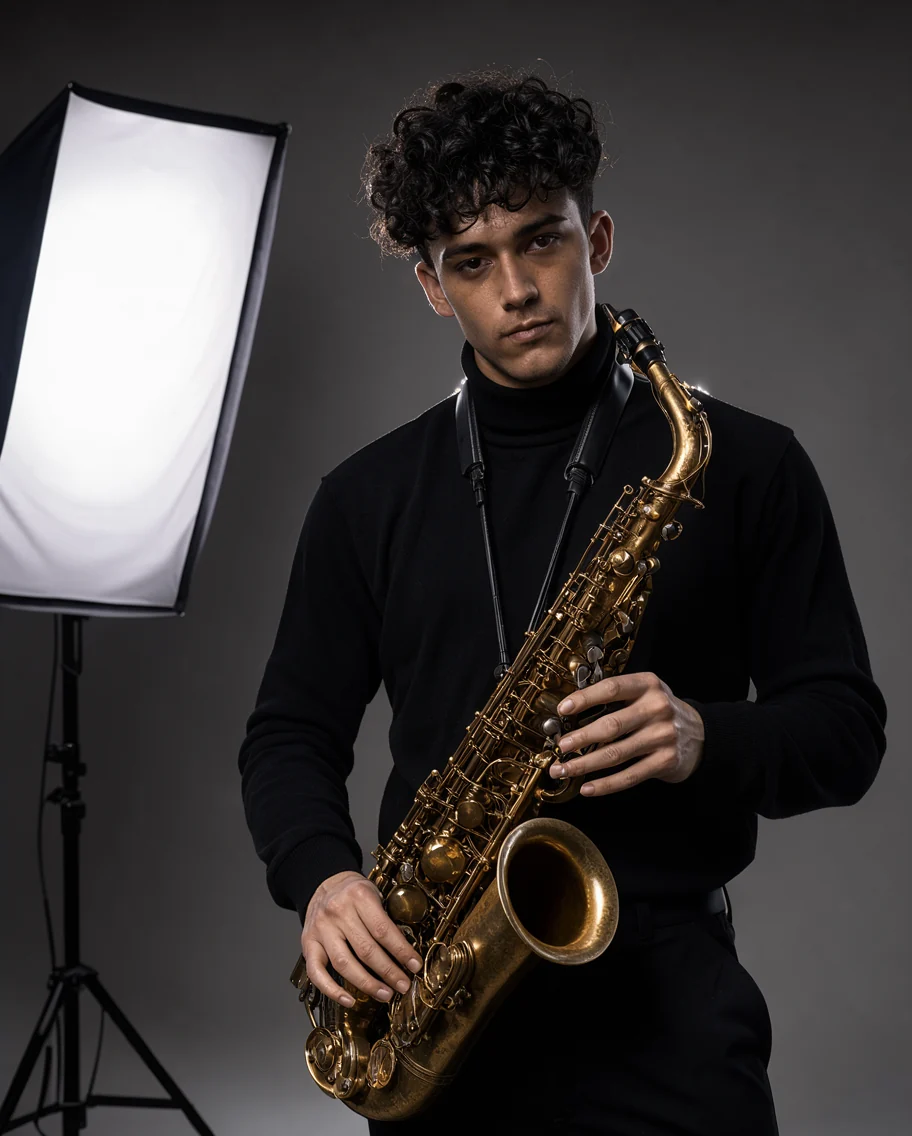
拿萨克斯的音乐人
为什么这样写
单灯加背景纸和轮廓光,棚拍人像才不会发平。
提示词
Studio portrait of a young musician holding a saxophone, black turtleneck, a single softbox from the left against a dark grey seamless background, rim light on the shoulder, moody contrast, 105mm lens.
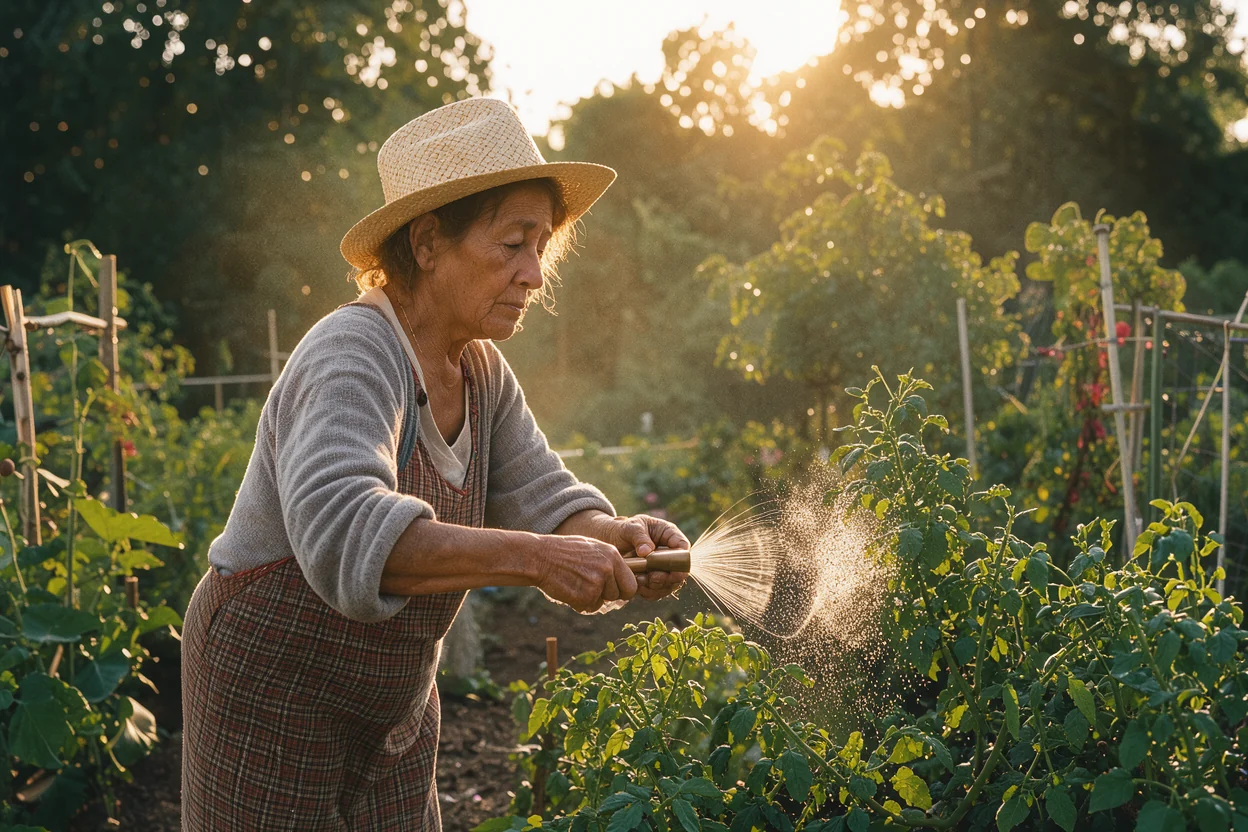
给菜园浇水
为什么这样写
逆光、微尘和颗粒,把抓拍和摆拍区分开。
提示词
Candid photograph of an older woman in a straw hat watering tomatoes in a kitchen garden, late afternoon backlight through the leaves, warm dust haze, film grain, 50mm lens, natural colour.
室内与建筑
房间、建筑和开阔视角。写清材质和时间,并要求竖线平直。
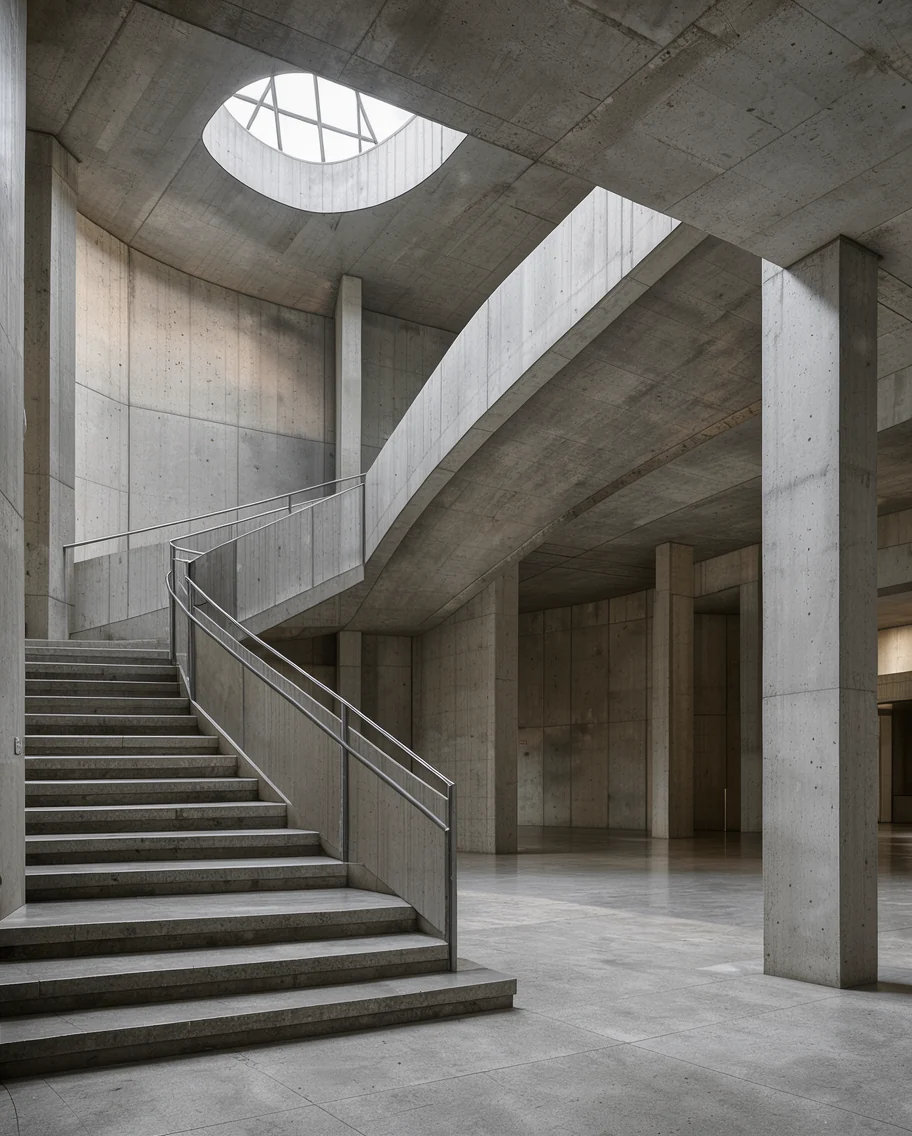
粗野主义门厅
为什么这样写
「no people」让几何自己说话,微暖色调避免混凝土发青。
提示词
Architectural photograph of a brutalist concrete lobby, a wide staircase sweeping up the left side, a single round skylight above, cool daylight, straight verticals, no people, monochrome feel with a faint warm tint.
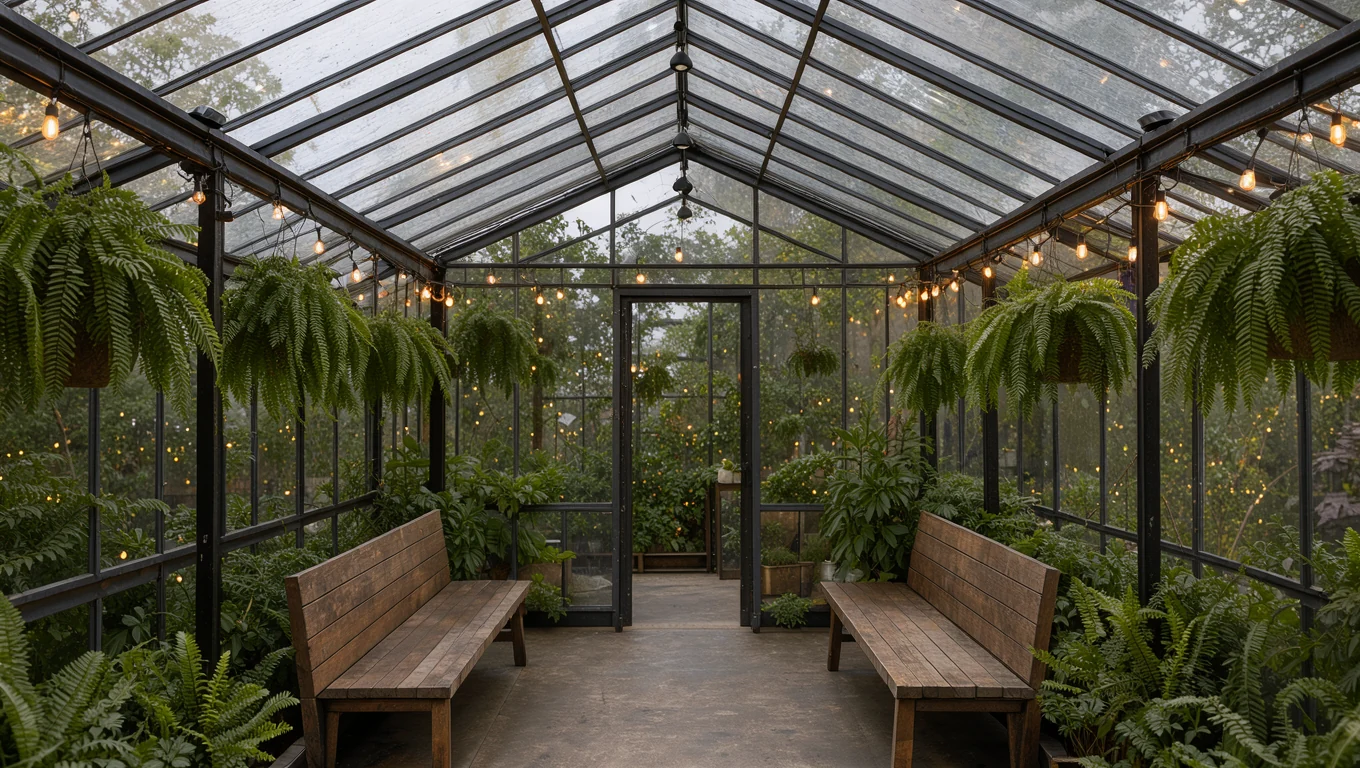
温室咖啡馆
为什么这样写
玻璃顶、木凳和串灯,让房间有三层纵深。
提示词
Interior photograph of a small greenhouse café, iron frames and hanging ferns, wooden benches, warm string lights, soft overcast daylight through the glass roof, straight verticals, architectural photography.
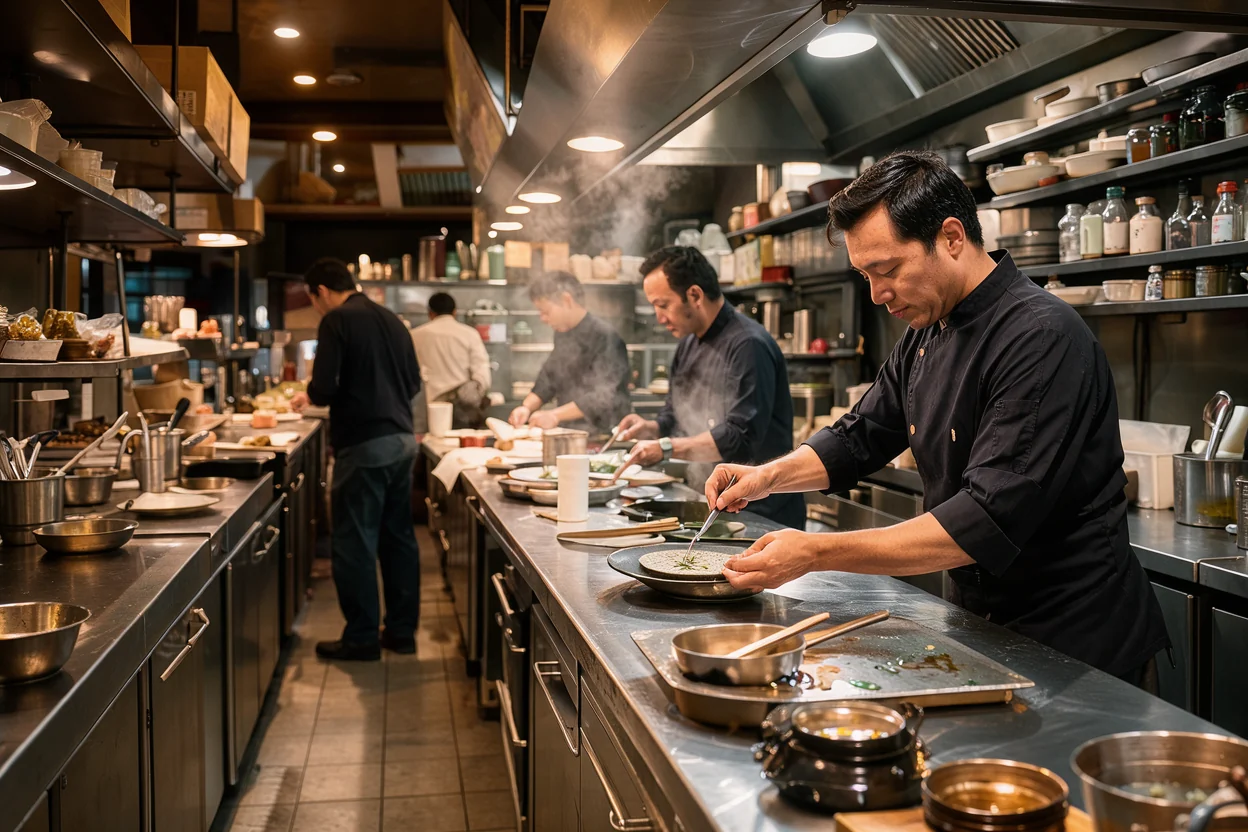
夜间餐厅后厨
为什么这样写
暖色工作灯、蒸汽和浅景深,就是纪录片的质感。
提示词
Night interior of a narrow restaurant kitchen in service, stainless steel counters, a chef's hands plating at the pass, warm task lighting, steam in the air, shallow depth of field, documentary style.
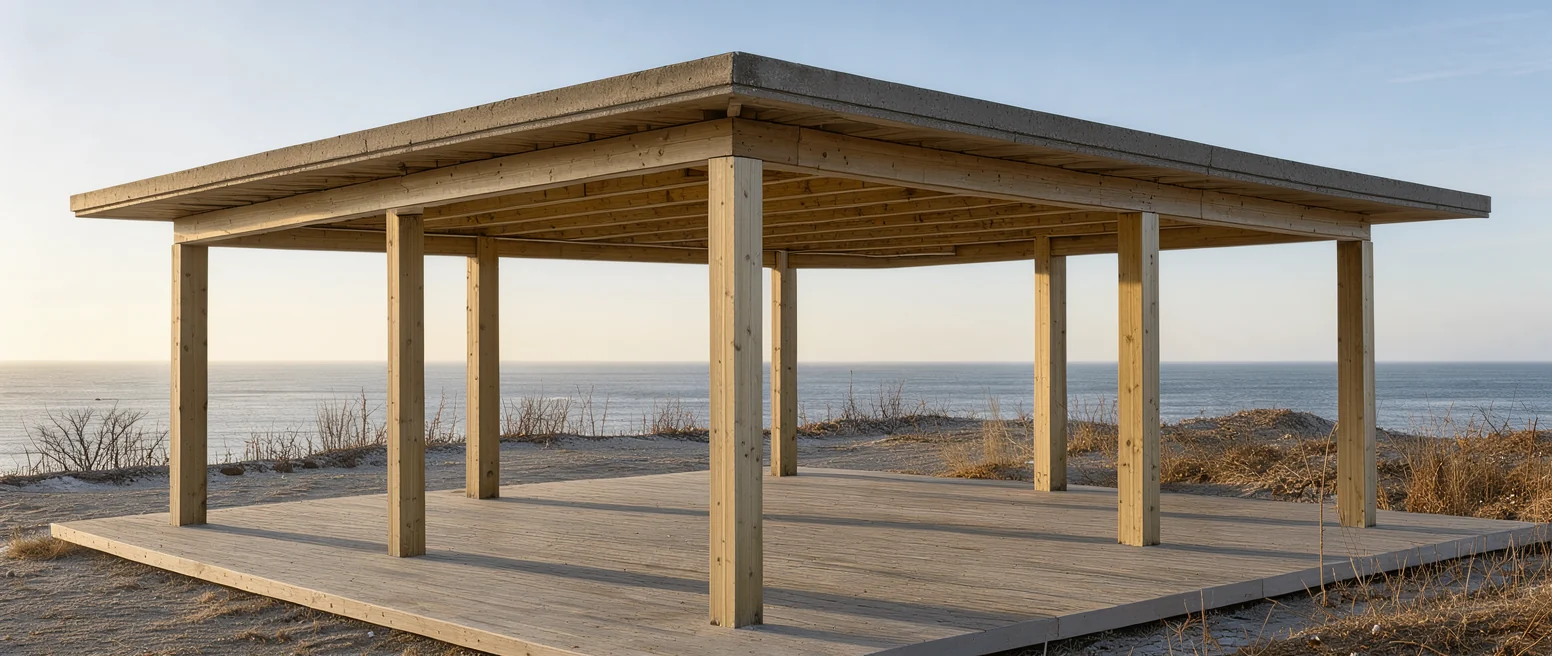
海边观景亭
为什么这样写
21:9 加长阴影,顺带定下地平线的位置。
提示词
Wide photograph of a coastal lookout pavilion, pale timber columns and a thin concrete roof, empty, low winter sun casting long shadows across the deck, ocean horizon behind, architectural photography, straight verticals.
插画
扁平矢量、绘本与植物风格。写清配色和绘制媒介,不需要文字时加上「no text」。

热气球节
为什么这样写
「image only, no text」保证画面干净,上方留白也写清了。
提示词
Flat vector illustration of a hot-air balloon festival at dawn, five balloons at different heights, peach and indigo palette, simple geometric hills, long soft shadows, subtle paper grain, children's book illustration. The top third is empty cream sky. Image only, no text, no letters, no typography, no watermark.
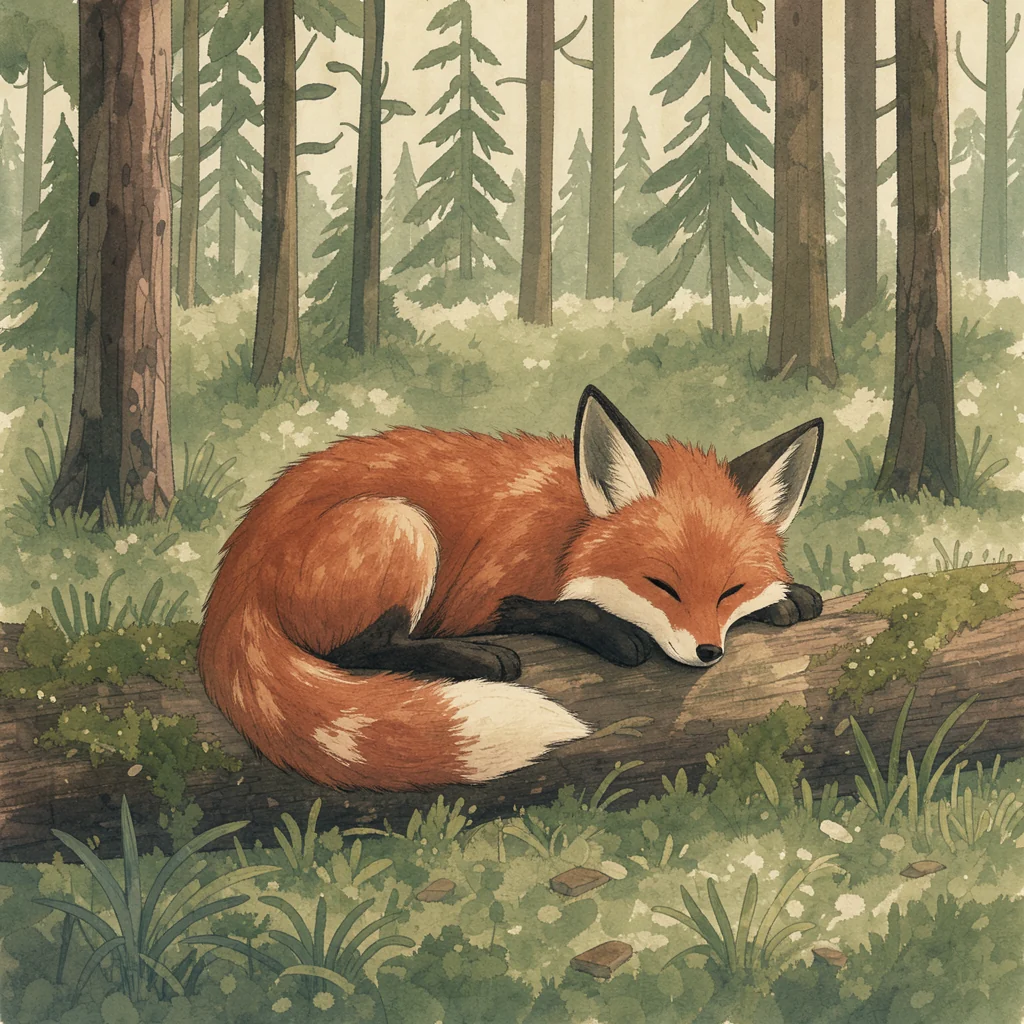
睡着的狐狸
为什么这样写
写明水粉和简单形状定基调,剩下交给斑驳光影。
提示词
Storybook illustration of a red fox curled asleep on a mossy log in a pine forest, muted greens and russet, soft dappled light, hand-painted gouache texture, simple shapes, no text.

夜间街区
为什么这样写
等距视角加固定配色,做成系列也能保持一致。
提示词
Flat isometric illustration of a small city block at night, warm windows, a tram crossing the front, teal and amber palette, clean geometric shapes, soft grain, no text, no letters.
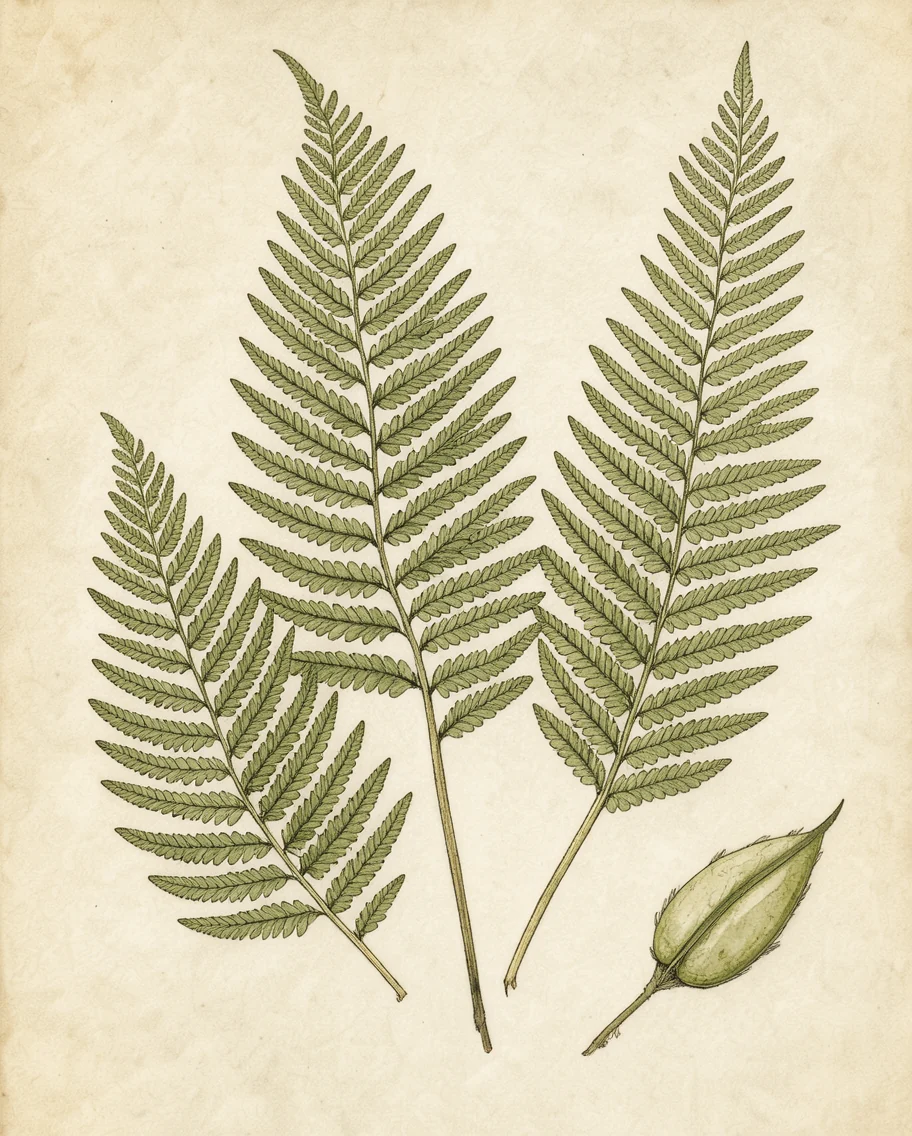
植物图版
为什么这样写
墨线和淡彩定下风格,「no text」让它保持图版的样子。
提示词
Botanical illustration sheet of three fern fronds and one seed pod, fine ink linework with muted green watercolour washes, arranged on aged cream paper, scientific plate style, no text.
图片编辑
四条指令,改的是你已经有的照片。附上自己的图,用 <ref_image_1> 指代它,最后说明哪些内容保持不变。
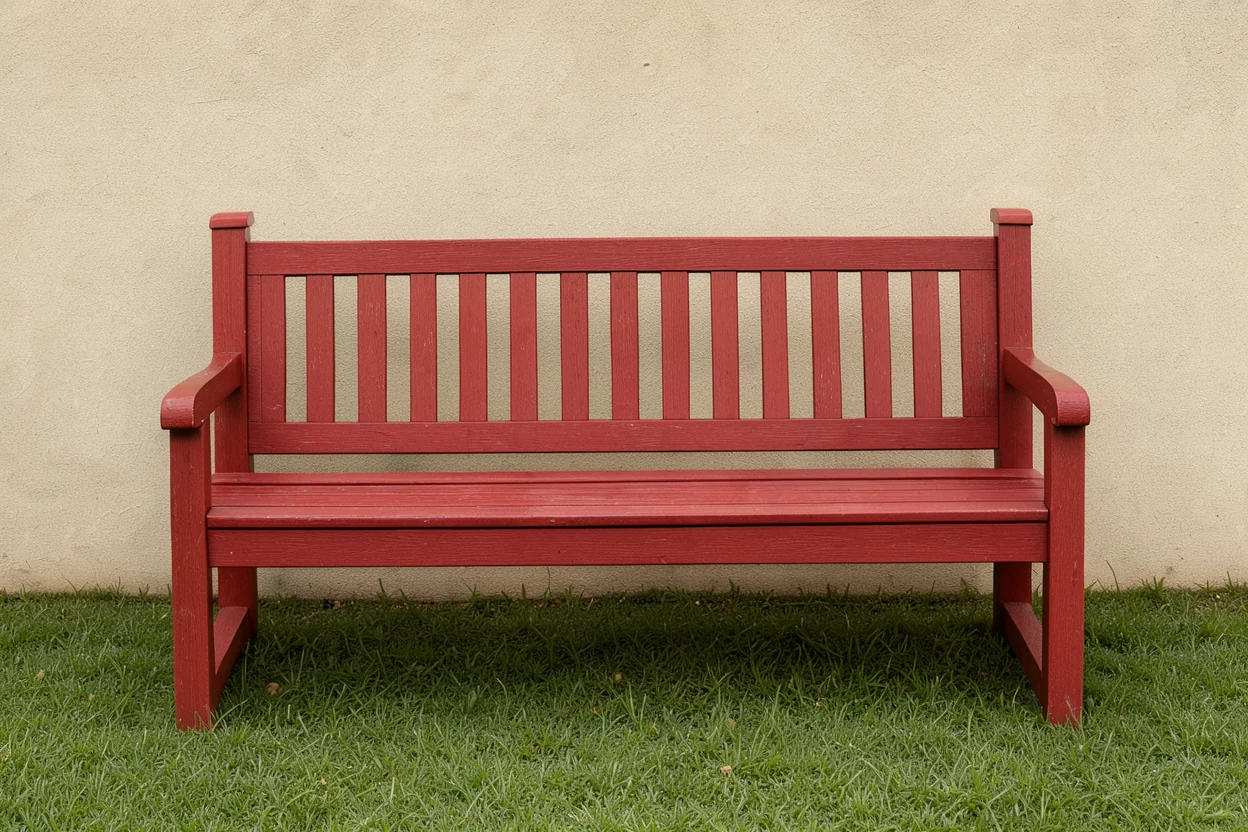
参考图 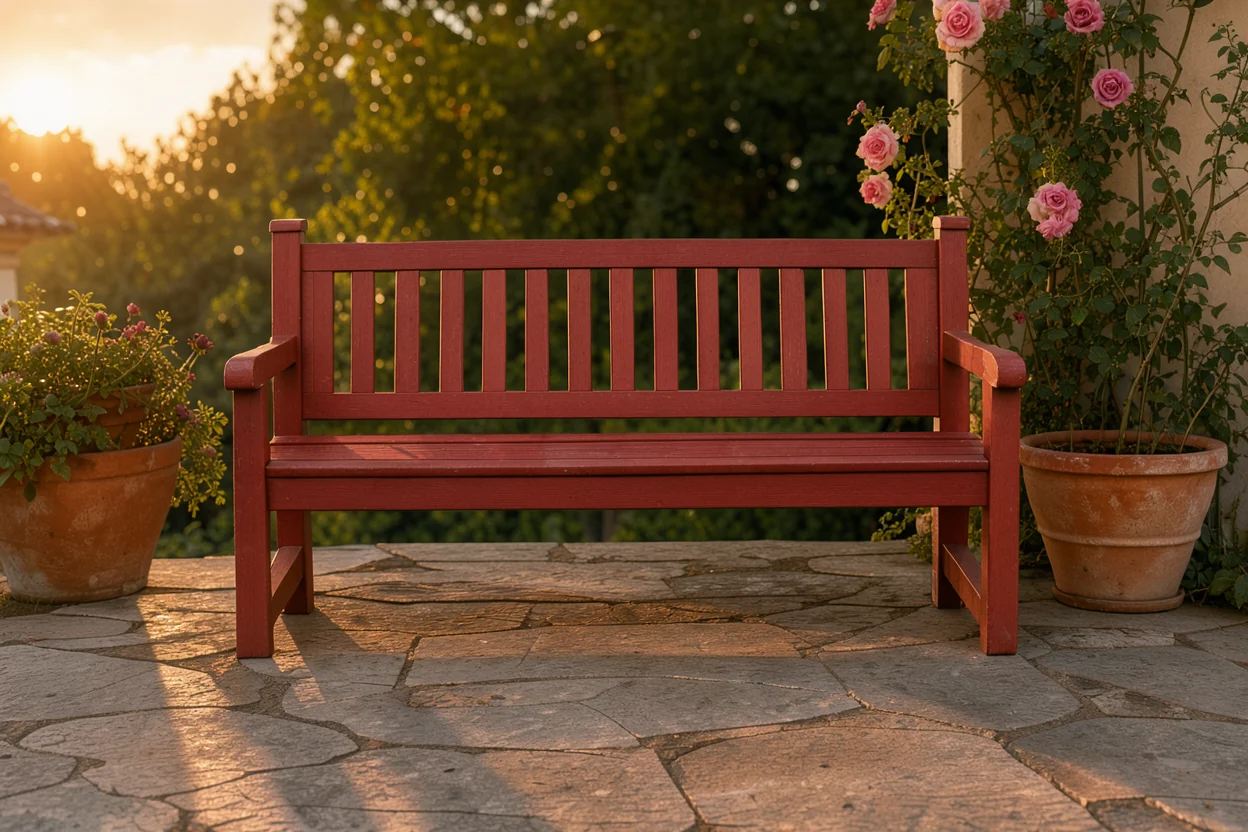
结果图 把长椅移到露台
为什么这样写
一句指令、一个新场景,再列清哪些不能变。
提示词
Move the bench from the first reference image onto a stone patio at golden hour, warm low light from the left, terracotta pots and a climbing rose behind it, keep the bench's shape and red colour unchanged.
参考图 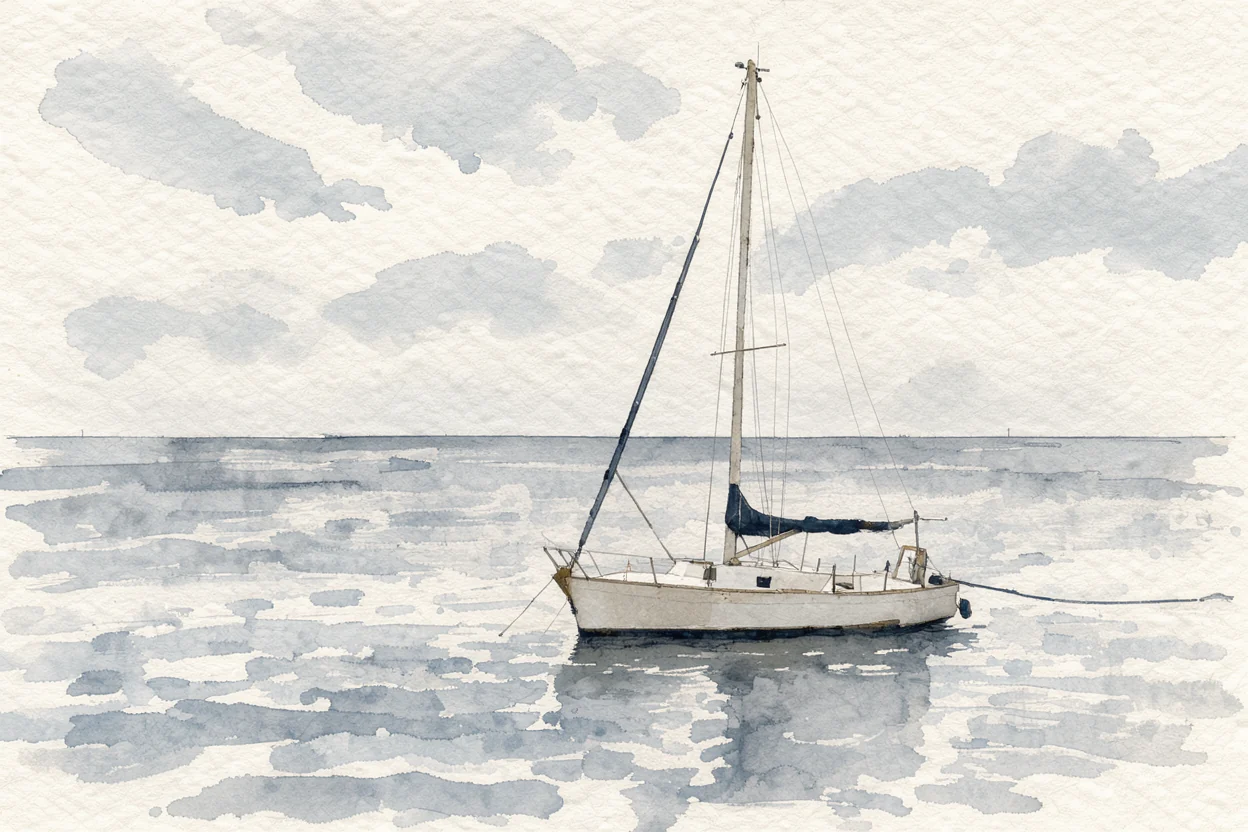
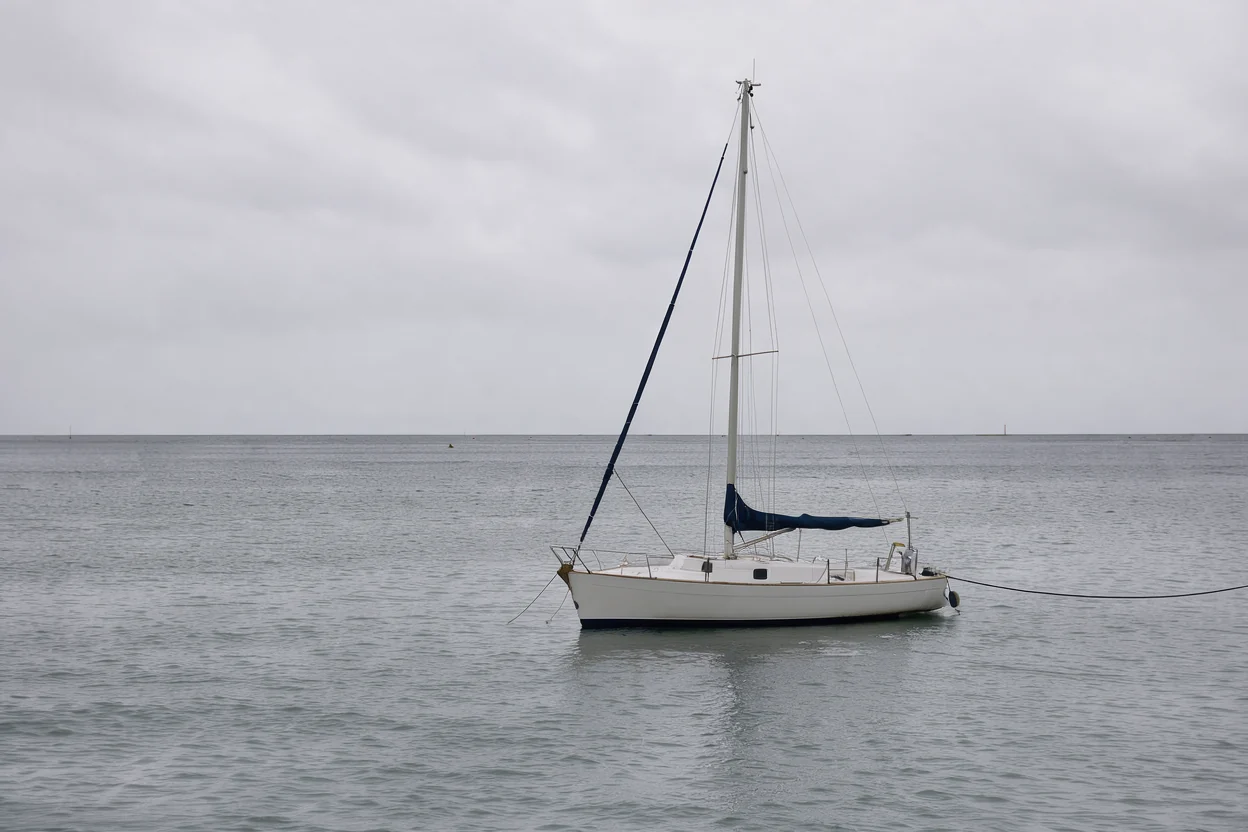
结果图 把帆船改成墨线速写
为什么这样写
参考图给构图,提示词给媒介。
提示词
Restyle the photograph of the boat from the first reference image as a loose ink-and-wash illustration on textured paper, keep the boat's shape, mast and position unchanged, muted blue-grey palette.
参考图 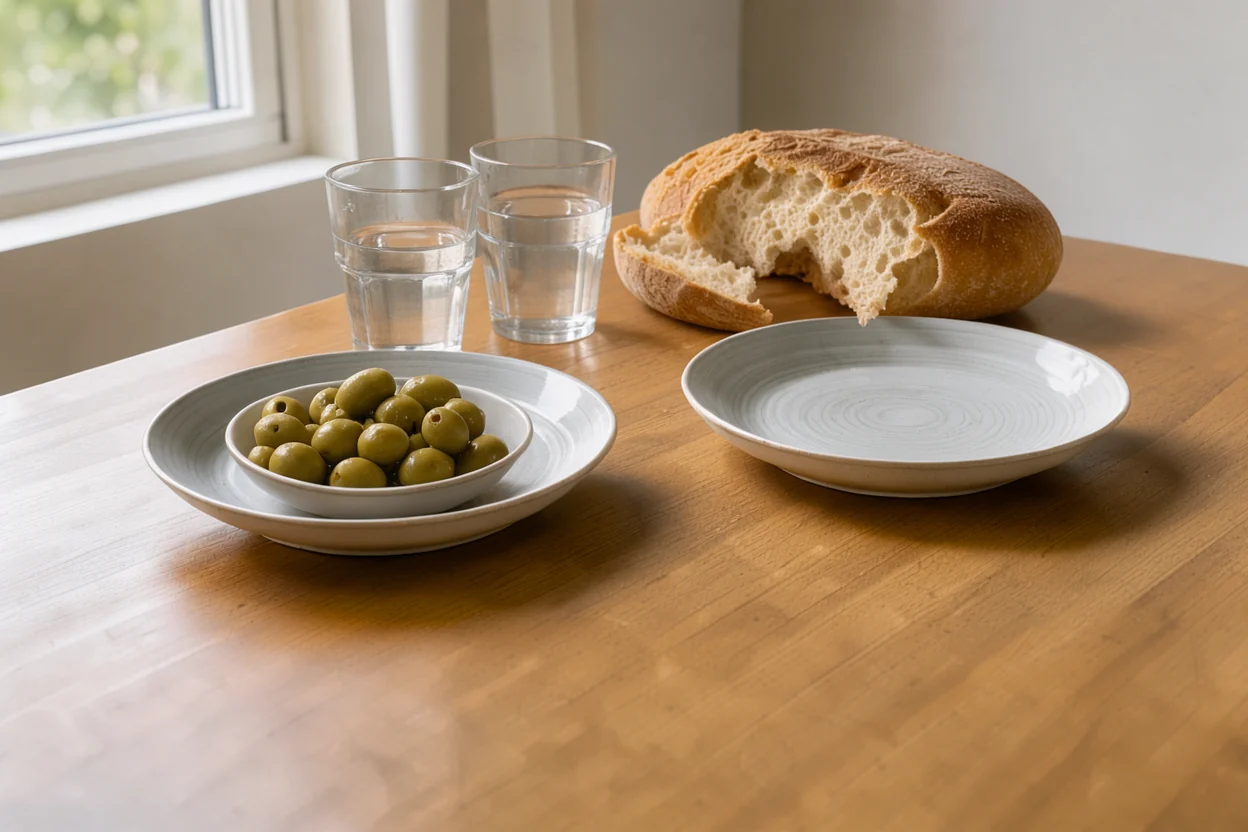
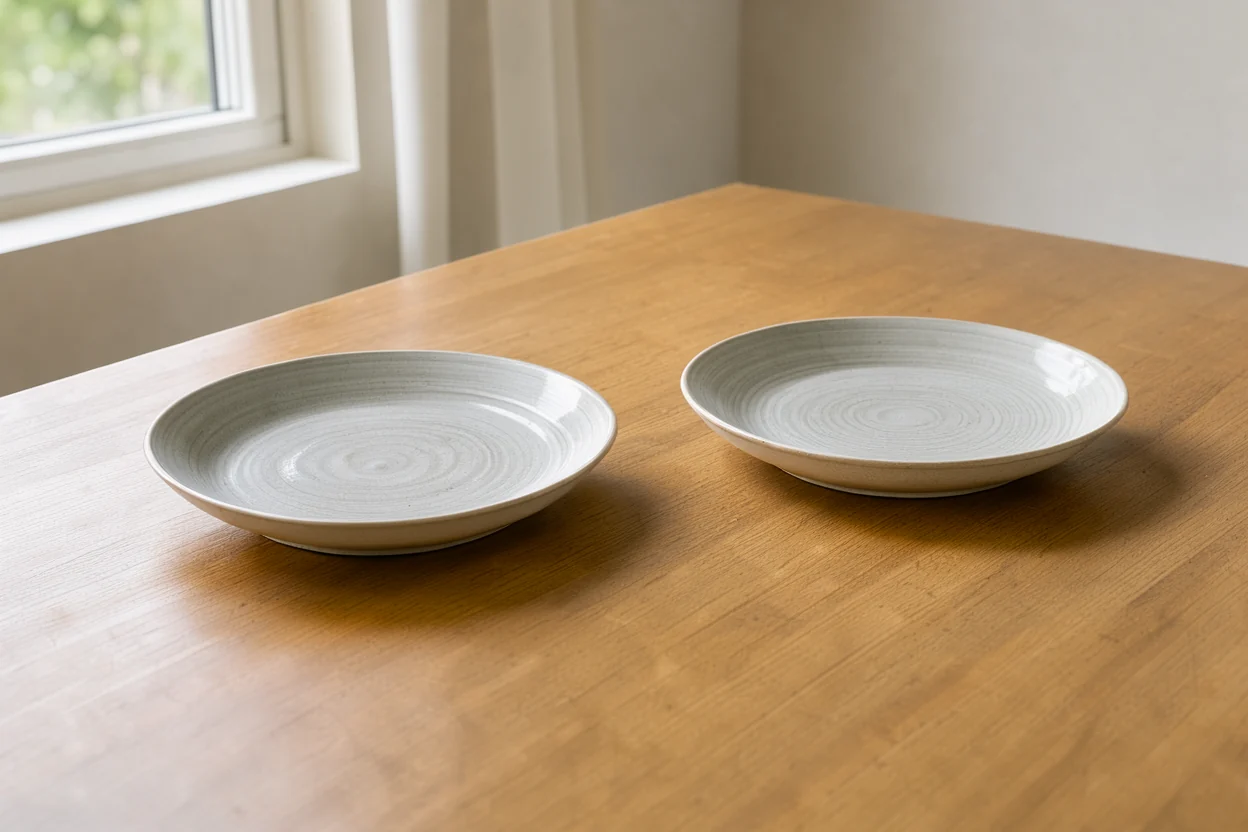
结果图 把餐桌摆好
为什么这样写
逐个点名新增物件,并重复哪些保持不变。
提示词
Add a bowl of green olives, a torn loaf of bread and two glasses of water to the table in the first reference image, keep the table, the plates, the light and the shadows unchanged.
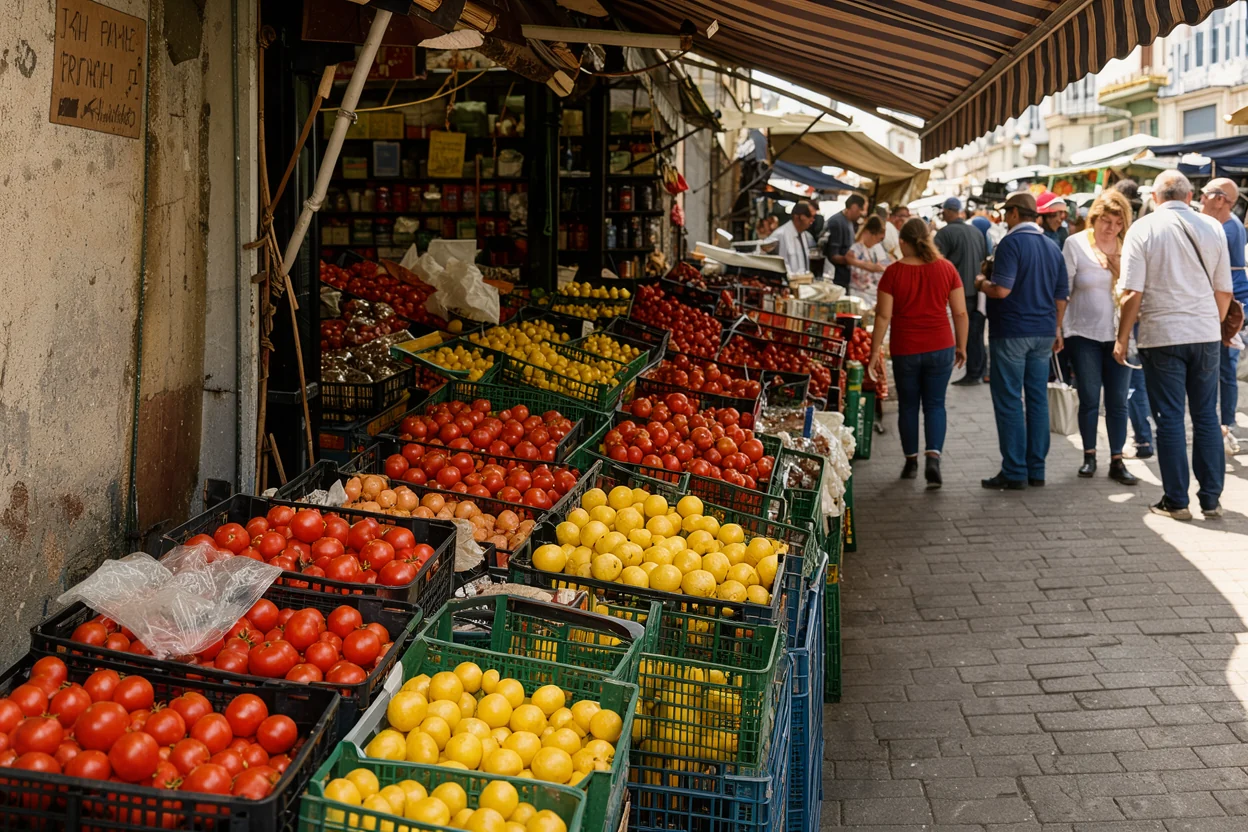
参考图 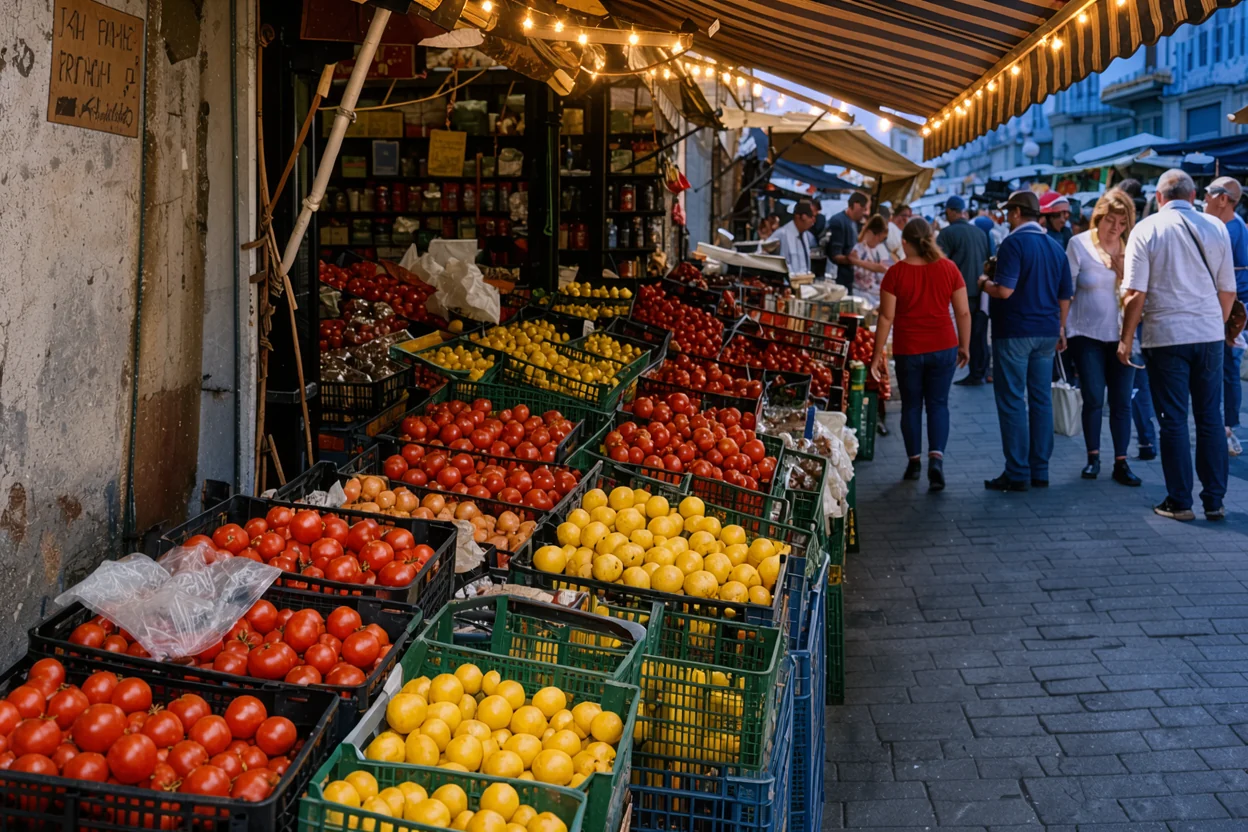
结果图 蓝调时刻的市集
为什么这样写
改时间是干净的编辑:构图本来就在照片里。
提示词
Change the time of day in the photograph of the market stall from the first reference image to blue hour, add warm string lights above the awning, keep the stall, the crates and the produce unchanged.
提示词常见问题
为什么示例提示词都是英文?
它们就是生成上面那些图的原文,逐字保留,示例才可复现。你完全可以用别的语言写,但要保证场景描述完整:过短的提示词只会得到泛泛的结果。
FLUX 3 Klein 的提示词该写多长?
把主体、构图、光线和材质都覆盖到。本页的示例大约 30 到 45 个词,描述的还只是一张图。五个词的提示词,剩下的就交给模型去编。
同一句提示词每次都出同一张图吗?
不会。每次生成都从不同的噪声开始,即使文字完全相同,构图和细节也会变。上面的示例都是单张 1K 出图,所以一条提示词值得跑两遍再判断。
这些提示词能用在别的图像模型上吗?
写法可以迁移——主体、构图、光线、材质——但文字渲染和参考图处理各家不同,需要调整措辞。
编辑类提示词要用几张参考图?
各一张。本站生成器最多接受三张附图,在提示词里用 <ref_image_1> 到 <ref_image_3> 指代。开放权重的模型本身支持最多十张参考图和 bounding box 定位;本站在线版是三张,没有定位控件。